on Sep 02 in Landscape Design tagged Apple Trees, Arborist Q and A, Fruit Trees
by Robert Smith with no comments
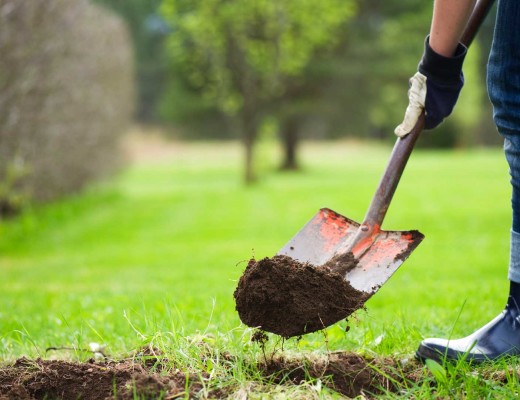
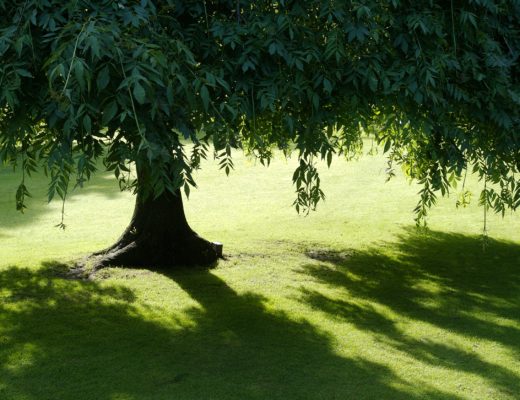
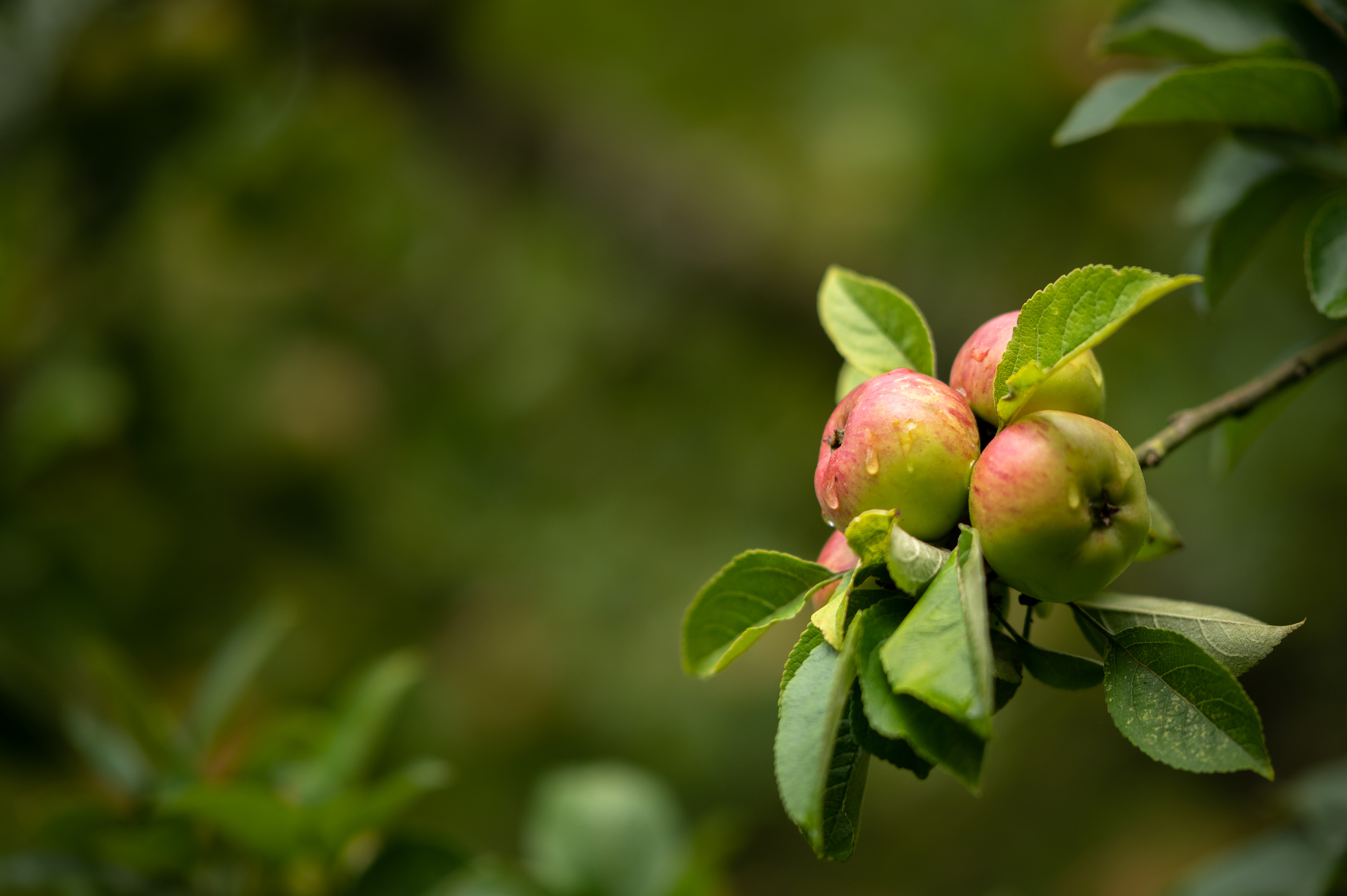
Q: How much space do I need for a backyard orchard?
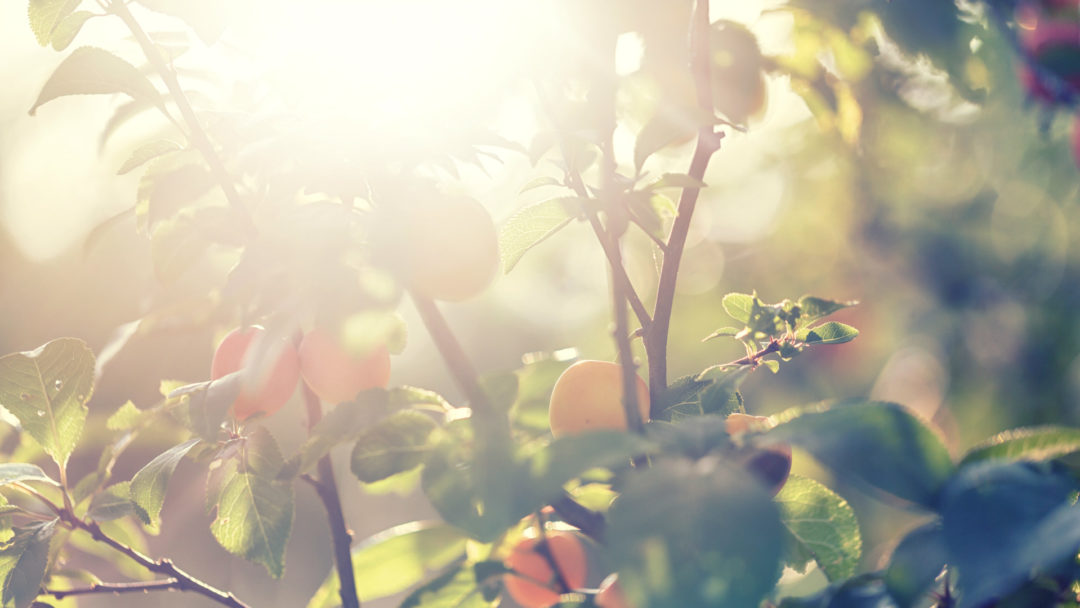
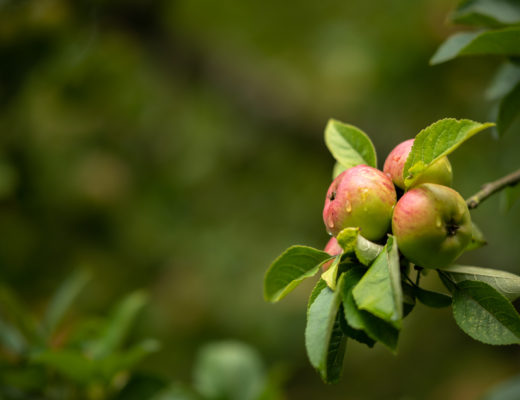
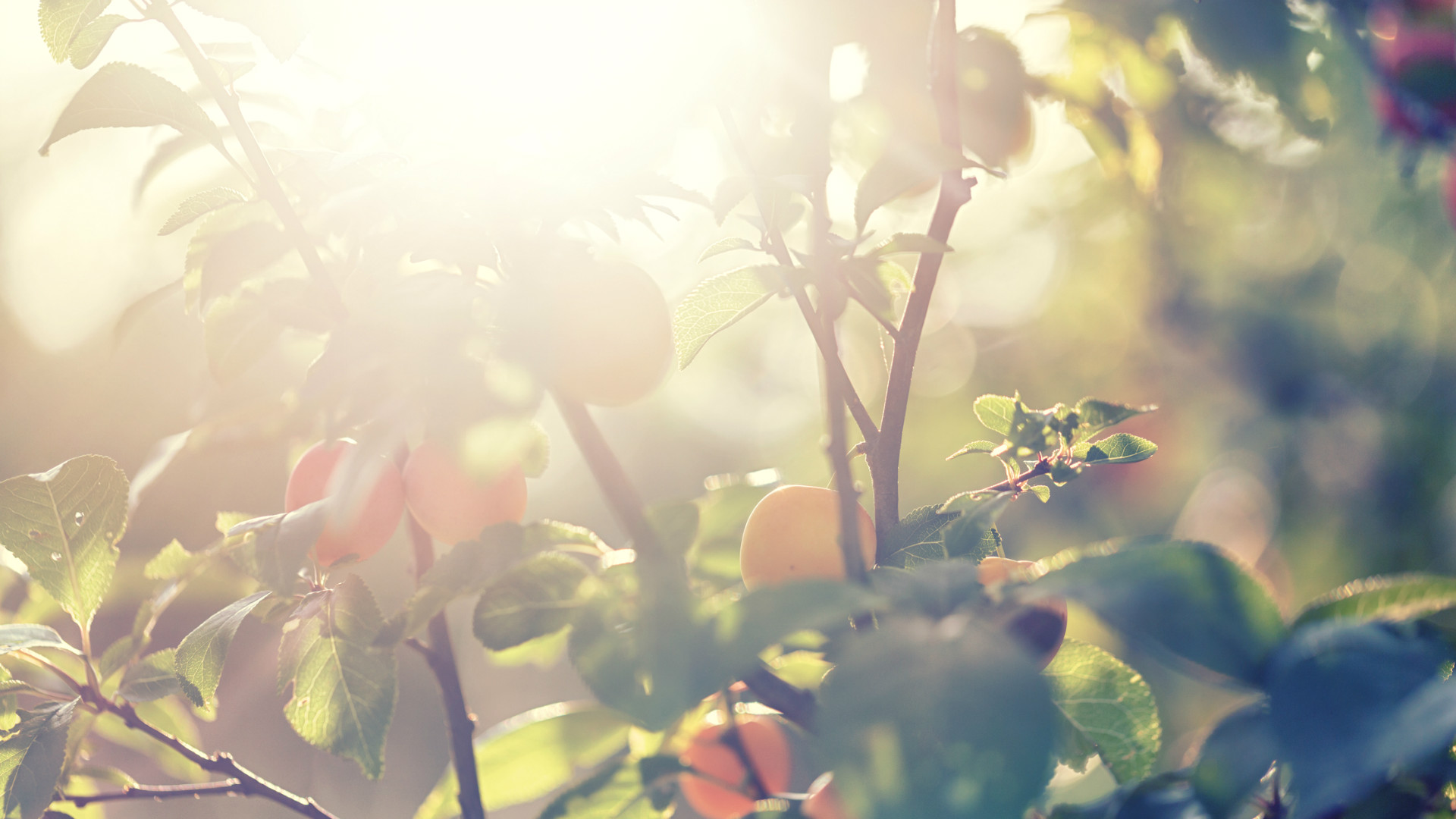
Well, this depends on your purpose. A single, self-pollinating peach tree may satisfy a peach lover. Or you may be like Stuart Kennedy of Cincinnati who just planted 10 dwarf apple trees because his wife makes great pies and they want to watch their budget in these tough economic times. Stuart has also added a 2,200 sq. ft. garden, a grape vine and a pear tree as the family tries to move toward growing its own food.
Read More
on Aug 26 in Landscape Design tagged Reduce Noise, Windbreak
by Gary Bentrup with no comments
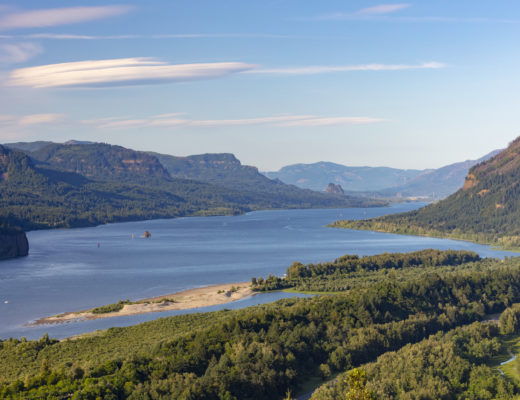
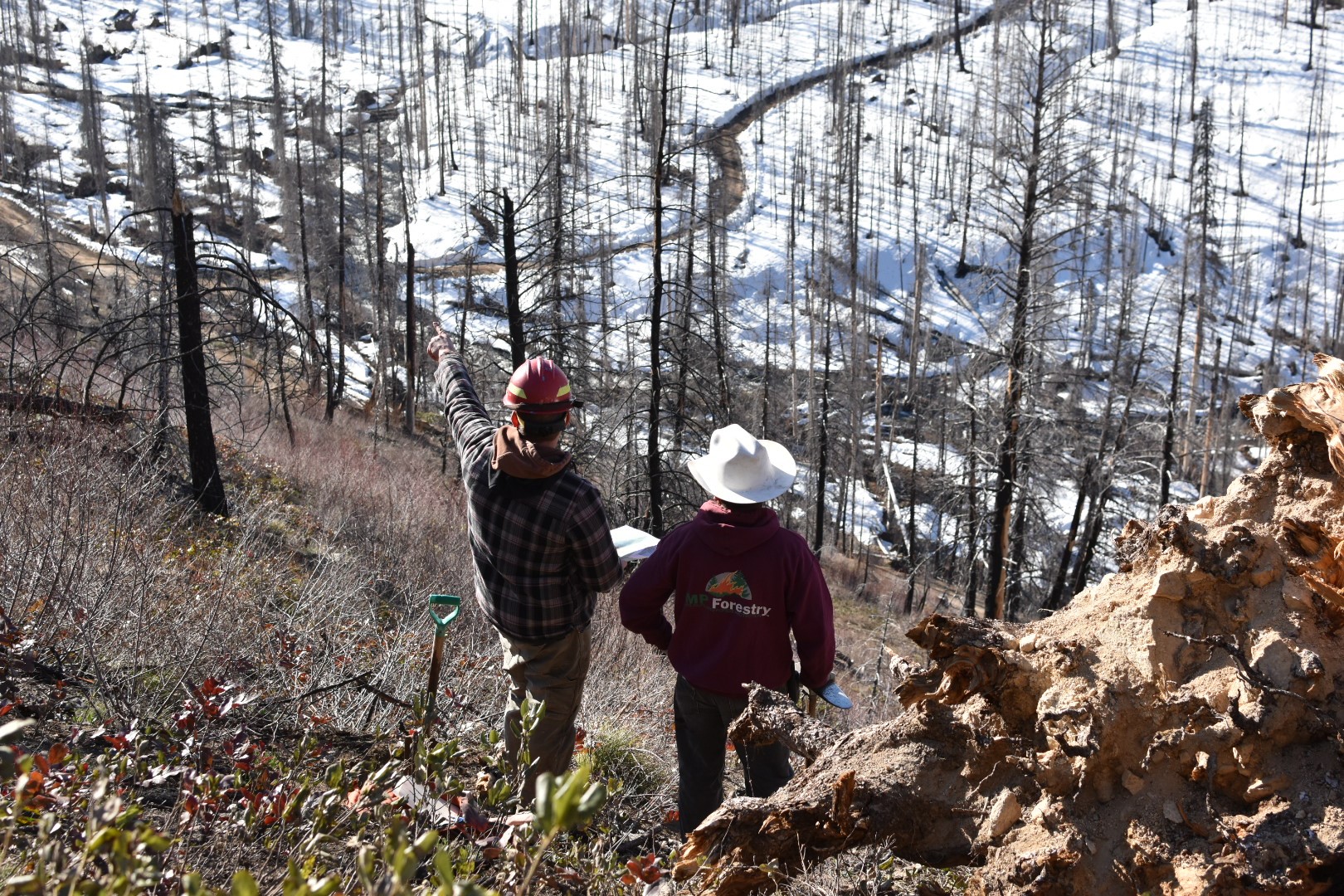
Noise from vehicles and others sources can reduce one’s enjoyment of being outdoors. Dense, tree buffers can reduce noise to levels that allow normal outdoor activities to occur. For instance, a 100-foot wide planted buffer will reduce noise by 5 to 8 decibels (dBA). If one uses a barrier in the buffer such as a landform can significantly increase buffer effectiveness (10 to 15 dBA reduction per 100-foot wide buffer with 12-foot high landform). Read More
on Aug 19 in Tree Care tagged Arborist Q and A, Summer Tree Care, Tree Care
by Robert Smith with no comments
Q: I’ve noticed that sometimes trees drop their twigs and leaves in the summer. Is this normal for certain species or is this an indication of a problem?
The terms for what you are seeing are “summer dormancy,” “summer leaf drop,” and “cladoptosis,” the latter meaning “a branch” and “falling.” By whatever name, what you see is a reaction to stress. Read More
on Aug 13 in Landscape Design, Tree Planting tagged Energy Saving, Summer Tree Care, Tree Based Energy Conservation
by Ben with no comments
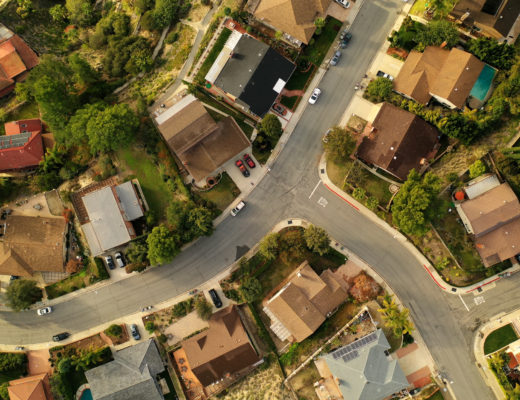
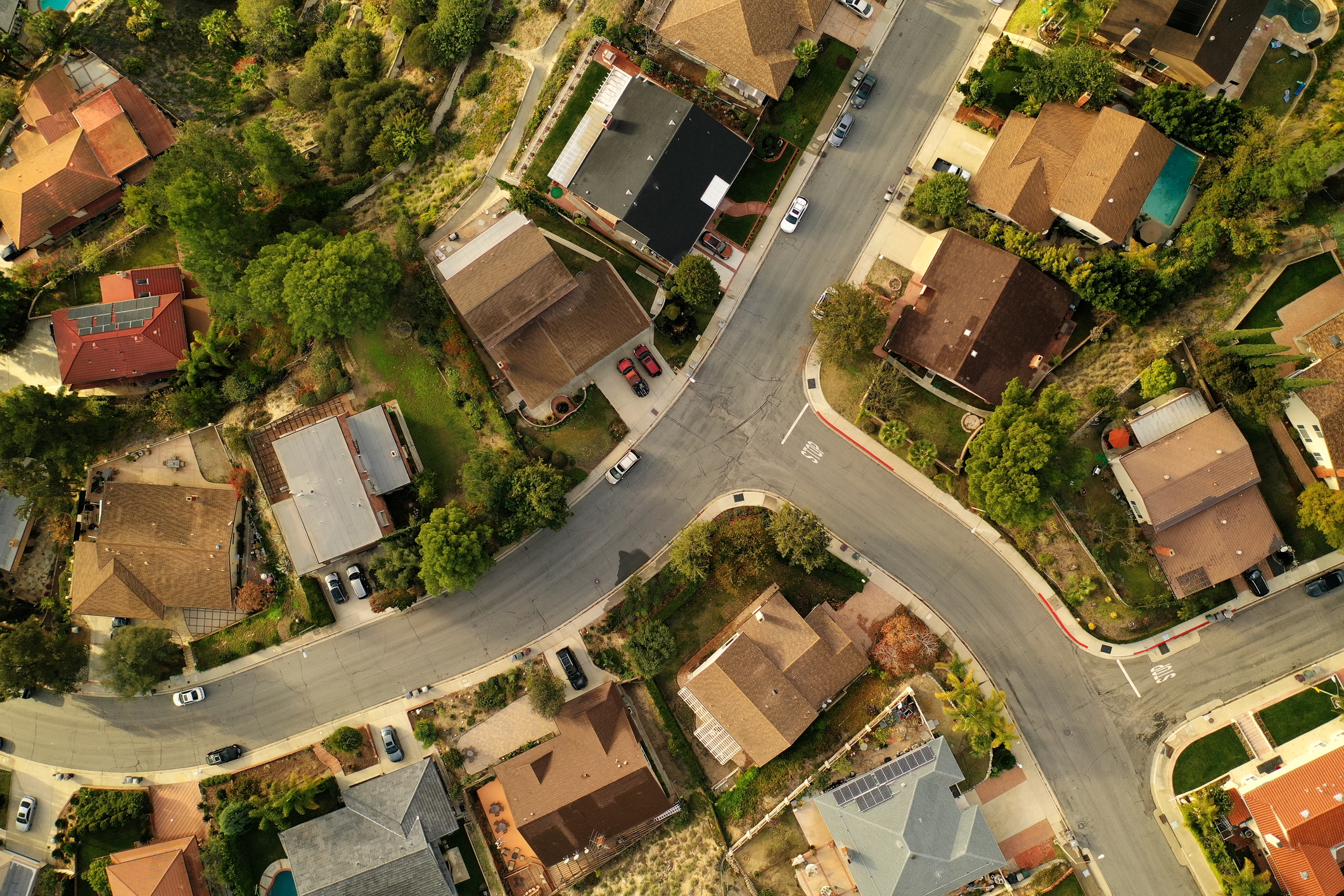
Trees properly placed around a house can save you money and help cool your house in the summer. This is according to the U.S. Forest Service Center for Urban Forest Research, but the concept is easy for everyone to understand. Go outside sometime this summer and stand in the sun for a few minutes. Then walk over to your nearest tree and stand in the shade. I bet you will notice that the shade the tree provides is much cooler than standing in full sun. This same concept can be replicated by planting trees in the right places to cast shadows on your house during different times of the day. Find out where to plant around your house and what trees are best.
Read More
on Aug 05 in Landscape Design tagged Fall Color, Red Maple
by David Beaulieu with 1 comment
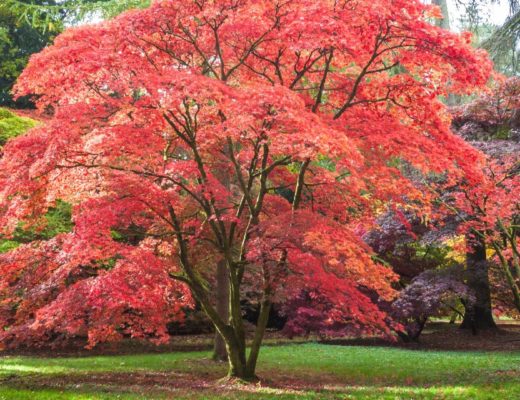
It’s August now, and I admit that part of me is starting to think about the upcoming fall season. It’s the landscaper part of me that’s looking ahead; the outdoor enthusiast part of me is quite content with the current season and has no desire to rush the summer!
Read More
on Jul 29 in Landscape Design tagged DYI, Landscape Design, Shade Tree
by JOEL T. PARKER JR. ASLA RLA LEED AP with 14 comments
The Arbor Day Foundation approached me about designing several plant combinations that their members and fans could use to create plantings of aesthetic interest and which provide function in the landscape. Over the next few months I will be sharing information behind these plant combinations and how they can be used as “do it yourself landscape designs”. Previously I outlined the Hedgerow Bird Shelter, aka the Bird Magnet planting. Let’s now explore the Shade Tree Planting.
Shade Tree Planting
While working on the design for the Shade Tree Planting, the primary goal was to produce an attractive planting that could be installed below a mature shade tree. Often times the area below a mature shade tree becomes problematic for the homeowner due to the canopy of the mature tree shading out the turf below as well as the trees surface roots sometimes becoming unattractive. The Shade Tree Planting is designed to be installed below the canopy of a mature shade tree and offer months of flowering interest. Read More
on Jul 22 in Misc Trees tagged Arborist Q and A, Bees, Flowering Trees, Fruit Trees
by Robert Smith with 2 comments
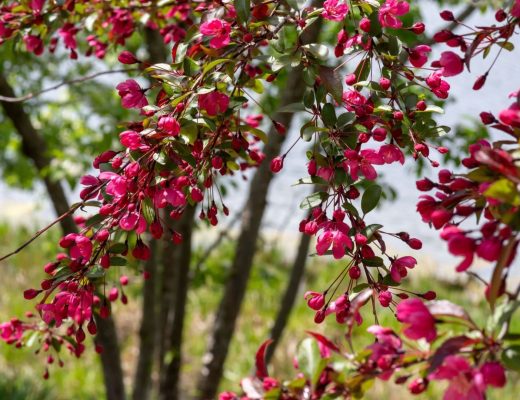
Q: What trees attract honeybees?
This is a good question, especially in light of the struggle our industrious little friends are having just to exist in our ever-urbanizing world.

Read More
on Jul 15 in Tree Care tagged Arborist Q and A, Drought Tolerant Trees, Summer Tree Care, Tree Care, Watering
by Robert Smith with 6 comments
Q: I’ve planted some drought-tolerant species that later died during the hot summer months.
If they are listed as drought-tolerant, shouldn’t this be a guarantee against mortality in the dry period?
Trees listed as drought-tolerant are those that have genetically adapted to sites in their native habitat that regularly experience prolonged dry spells. However, all newly-planted trees can use some help from us.
Read More
on Jul 07 in Landscape Design, Tree Pruning tagged Birch, Deer Resistant Trees, Do It Yourself (DIY), Fall Color
by James R. Fazio with 6 comments
Paper Birch and River Birch are some of the most popular landscape trees. These deer resistant trees have gained popularity due their unique bark and great yellow fall color. You may notice that some yards have a single tree birch tree while others have clumps or multiple birch trees. If you enjoy the multi stem look here is how you can do it yourself.
Read More
on Jun 30 in Landscape Design tagged Buffers, National Argroforestry Center, Water Quality
by Gary Bentrup with 5 comments
The USDA National Agroforestry Center’s publication, Conservation Buffers: Design Guidelines for Buffers, Corridors, and Greenways offers over 80 illustrated guidelines for designing conservation buffers.
Conservation buffers are strips of vegetation placed in the landscape to provide a variety of ecological, economic, and social benefits to society. They are called by many names, including wildlife corridors, greenways, windbreaks, and filter strips to name just a few.
Read More
Social Media